The Fall Immune Tune-Up Your Dog Needs Now


Vet Reviewed by Dr. Jacob Klos, DVM

Fall is a transition season for your dog's immune system. The body is adjusting to multiple changes simultaneously, and immune support during this window can influence how your dog handles the months ahead.
Why fall stresses the immune system
Summer depletion: Three months of heat, UV exposure, and increased metabolic demand have drawn down your dog's reserves of key immune-supporting nutrients. Zinc, vitamin E, selenium, and B vitamins are all consumed at higher rates during periods of physical stress. If those reserves aren't replenished, the immune system enters fall already at a deficit.
Seasonal biological changes: The coat transition, shifting melatonin levels, and metabolic adjustments to cooler temperatures all require energy and nutritional resources. The body has to manage these changes while maintaining immune readiness.
Indoor transition: As temperatures drop and outdoor time decreases, dogs spend more time indoors. Indoor environments expose dogs to different pathogens: dust mites, indoor mold, recycled air, and closer contact with other household members (including their germs). The immune system has to adapt from the outdoor pathogen profile of summer to the indoor profile of fall and winter.
Gut health shifts: Seasonal transitions, dietary changes (even subtle ones), and stress can alter the gut microbiome. Since an estimated 70% or more of immune function is housed in the gut, microbiome disruption can compromise immune readiness.
The nutrients that support fall immune function
Zinc: Essential for immune cell development and function. Zinc deficiency impairs both innate and adaptive immune responses. Seasonal transitions can deplete zinc reserves if intake doesn't match increased demand.
Vitamin E: Acts as an antioxidant, protecting immune cells from oxidative damage accumulated during summer. Vitamin E also supports immune cell signaling and response efficiency.
Selenium: Works alongside vitamin E as part of the body's antioxidant defense system. Selenium deficiency has been associated with impaired immune response in dogs.
B vitamins: Support energy metabolism, cellular repair, and the production of immune cells. During periods of stress or transition, B vitamin demands increase.
Probiotics: Support microbial balance in the gut, which directly influences systemic immune function. Consistent daily probiotics help the gut microbiome maintain stability during seasonal changes.
The fall immune plan
Replenish what summer depleted: A comprehensive daily multivitamin covers the key vitamins and minerals that support immune function. Consistent daily intake is more effective than periodic high doses.
Support gut health: Maintain a consistent diet through the transition. Add daily probiotic support if you haven't already. Avoid abrupt food changes that could disrupt the microbiome during an already transitional period.
Maintain exercise: Regular moderate exercise supports immune function. Even as outdoor time decreases, indoor enrichment and shorter walks maintain the physical activity that keeps the immune system engaged.
Reduce unnecessary stressors: Consistency in routine, adequate sleep, and enrichment all reduce cortisol, which can suppress immune function when chronically elevated.
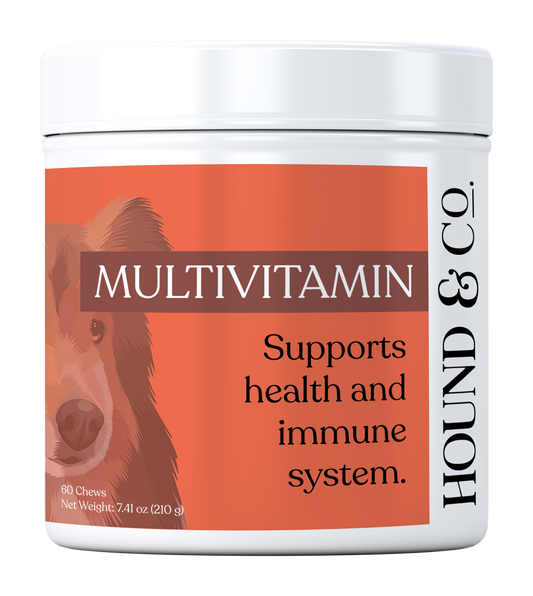
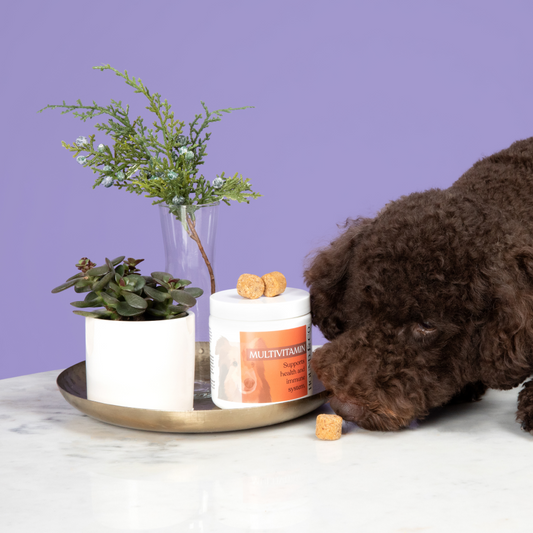
Our Multivitamin Chews were formulated to deliver the immune-supporting nutrients your dog needs during seasonal transitions. Zinc, vitamin E, selenium, B vitamins, and probiotics in one daily chew, designed to fill the gaps that widen when seasons change.
Sources:
- Veterinary immunology literature on seasonal immune function changes in dogs
- AKC: Immune health in dogs, seasonal care transitions
- Journal of Animal Science: Gut-immune connection and probiotic support
- Veterinary nutrition literature on zinc, vitamin E, and selenium in immune function