6 Signs Your Dog Is Aging Faster Than You Think


Vet Reviewed by Dr. Jacob Klos, DVM

Dogs age faster than we do. That's not news. But what surprises most owners is how quickly changes can accumulate, and how easy it is to miss them when you see your dog every day.
Here are the six signs I see most frequently that indicate a dog is aging faster than their owner realizes.
1) They hesitate before jumping
This is one of the earliest and most commonly missed signs of joint discomfort. Your dog used to leap onto the couch without thinking. Now they pause, calculate, or wait to be lifted. It's subtle, but it's significant.
What it means: The joints are experiencing enough discomfort that the dog is instinctively modifying their behavior to avoid pain. By the time a dog visibly limps, the process has been underway for some time.
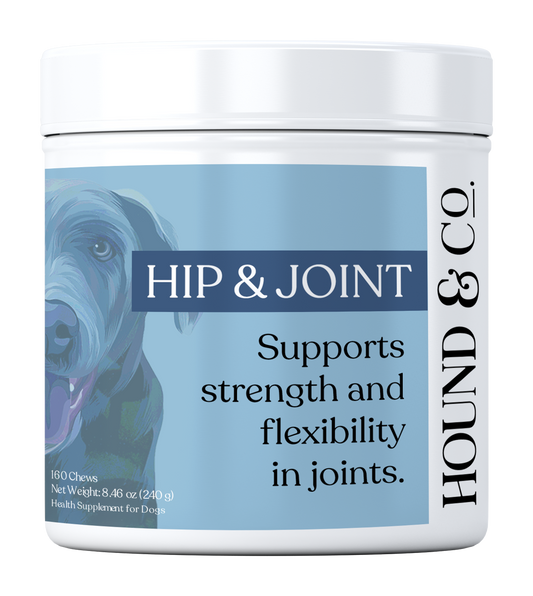
What helps: Daily joint support with glucosamine, chondroitin, and omega-3s can help maintain comfort and mobility. Starting before the hesitation becomes refusal is ideal.
2) They take longer to recover from activity
Your dog used to bounce back from a hike or a play session within hours. Now they're stiff the next morning, or they need an extra day to return to their usual energy level.
What it means: Muscles and joints are losing their ability to recover efficiently. Inflammation lingers longer. Cellular repair is slower.
What helps: Consistent exercise (not sporadic intense bursts), joint support, and antioxidant-rich nutrition to support cellular recovery.
3) Their coat has changed
A duller coat, increased shedding, dry skin, or a graying muzzle that appeared suddenly can all indicate that the body is redirecting resources away from "maintenance" functions like coat quality toward more critical internal needs.
What it means: Nutritional demands are shifting. Nutrients that once maintained a glossy coat may now be needed elsewhere. Omega-3 deficiency often shows up in the coat before anywhere else.
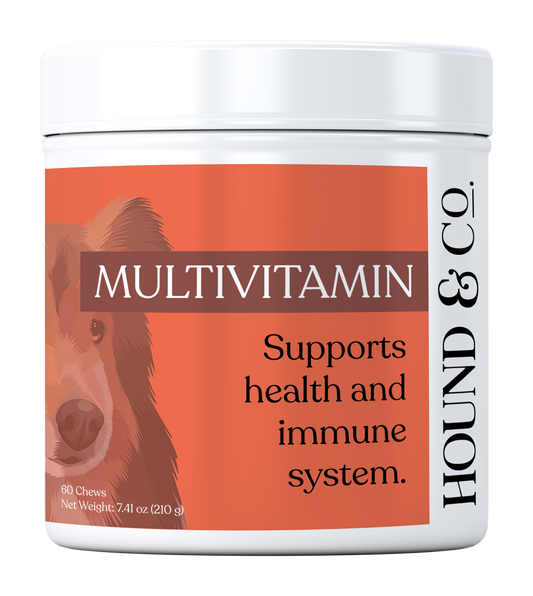
What helps: Omega-3 supplementation, a high-quality diet, and a daily multivitamin to cover nutritional gaps that widen as dogs age.
4) They're sleeping more (and it's not just "relaxing")
Some increase in rest is normal as dogs mature. But a significant increase in sleep, especially if paired with reduced interest in activities they used to enjoy, can indicate that the body is working harder to maintain basic functions.
What it means: Could be pain management (rest reduces discomfort), metabolic changes, or early cognitive decline. It's worth a vet conversation.
What helps: Enrichment to keep the brain engaged, consistent moderate exercise, and nutritional support for energy metabolism (B vitamins, antioxidants).
5) Digestive changes
More gas, looser stools, pickier appetite, or occasional vomiting that wasn't there before. These changes often get dismissed as "sensitive stomach" or blamed on a treat, but they can signal that the gut is aging too.
What it means: The gut microbiome shifts with age. Digestive enzyme production can decline. Nutrient absorption becomes less efficient, meaning your dog may need more nutritional support from supplementation even if their diet hasn't changed.
What helps: Probiotics to support microbiome balance, easily digestible protein sources, and consistent meal timing.
6) Behavioral shifts you can't explain
Increased anxiety, confusion about familiar routines, getting "stuck" in corners, staring at walls, or new-onset noise sensitivity. These can be early signs of canine cognitive dysfunction (similar to dementia in humans).
What it means: The brain is changing. Cognitive decline in dogs is more common than most owners realize and can begin in middle age for some breeds.
What helps: Mental stimulation (training, puzzle feeders, novel experiences), omega-3 fatty acids (DHA specifically supports brain health), antioxidants, and consistent daily routines that provide cognitive structure.
The bottom line
Aging isn't a light switch. It's a gradual process that starts earlier than most owners expect. The dogs that age most gracefully are the ones whose owners noticed the early signs and responded with proactive nutrition, consistent exercise, and veterinary partnership.
If your dog is showing even one of these signs, it's worth a conversation with your vet and a look at their daily nutritional foundation.