Is "Premium" Dog Food Actually Complete? What the Label Doesn't Tell You


Vet Reviewed by Dr. Jacob Klos, DVM

You did your research. You bought the premium kibble with the fancy packaging, the organic ingredients, and the price tag to match. First ingredient: real meat. No artificial preservatives. "Complete and balanced nutrition."
So why do veterinarians still talk about nutritional gaps?
The answer lies in understanding what "complete and balanced" actually means, and more importantly, what it doesn't guarantee.
What "Complete and Balanced" Really Means
The Association of American Feed Control Officials (AAFCO) sets the nutritional standards that pet foods must meet to claim they're "complete and balanced." These standards establish minimum requirements for protein, fat, vitamins, and minerals.
Here's the key word: minimum.
AAFCO standards ensure that a dog won't develop deficiency diseases when eating a particular food. They don't ensure optimal nutrition. They don't account for individual variation. And they don't address the difference between surviving and thriving.
Where the Gaps Show Up
Even high-quality dog foods can fall short in several areas.
Processing matters. The high temperatures required to produce shelf-stable kibble can degrade heat-sensitive nutrients. Vitamins B and C, certain amino acids, and beneficial fatty acids are particularly vulnerable to heat damage. Manufacturers often add these nutrients back after processing, but absorption rates of synthetic additions may differ from naturally occurring forms.
Bioavailability varies. A food can contain adequate levels of a nutrient on paper while delivering less than optimal amounts to your dog's system. Mineral sources, for example, range widely in how efficiently they're absorbed. Chelated minerals generally have higher bioavailability than oxide forms, but not all premium foods use chelated sources.
Individual needs differ. A highly active working dog, a senior with joint concerns, and a dog prone to allergies all have different nutritional requirements. "Complete and balanced" is designed for the average dog. Your dog might not be average.
The Supplement Question
This is why veterinarians often recommend targeted supplementation even for dogs eating high-quality diets.
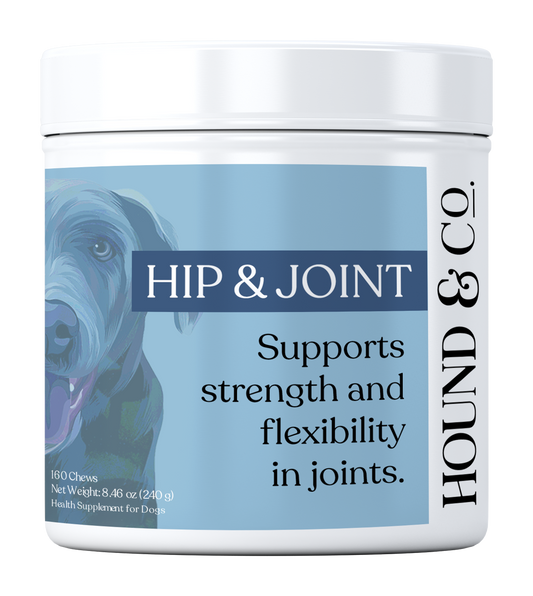
Joint support supplements provide higher levels of glucosamine, chondroitin, and MSM than most foods contain. These compounds support cartilage health and mobility, particularly important for large breeds and senior dogs.
Skin and coat supplements deliver concentrated omega-3 fatty acids that may exceed what's present in standard kibble. For dogs prone to skin issues, this additional support can make a noticeable difference.
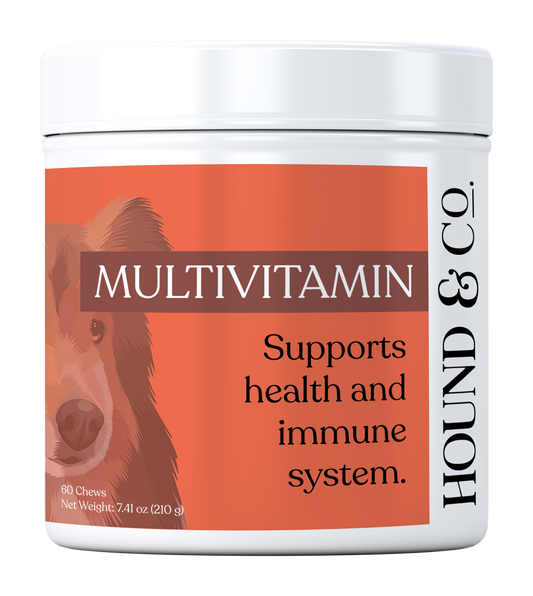
Daily multivitamins help fill in the gaps that processing and individual variation create. They provide a nutritional safety net that ensures your dog is getting adequate levels of essential nutrients.
The Bottom Line
Premium dog food is a great foundation. It matters what you feed your dog, and quality ingredients make a difference. But "complete and balanced" is a floor, not a ceiling.
Think of supplements the way you might think about your own nutrition. You can eat a healthy diet and still benefit from targeted support for areas that need extra attention. The same principle applies to your dog.
The question isn't whether your dog food is good. It's whether your dog is getting everything they specifically need to thrive.