Tick Season and Your Dog's Immune Defense


Vet Reviewed by Dr. Jacob Klos, DVM

April is Prevention of Lyme Disease in Dogs Month, and if you think ticks are only a problem in the deep woods of New England, the data says otherwise.
Lyme disease is expanding
According to the Companion Animal Parasite Council (CAPC), canine Lyme disease cases have climbed significantly in recent years. The disease is no longer confined to the traditional hotspots of the Northeast and upper Midwest. Risk areas are expanding into Indiana, Illinois, Ohio, Michigan, eastern Tennessee, and northern North Carolina.
The blacklegged tick (also called the deer tick) is the primary carrier of Borrelia burgdorferi, the bacterium that causes Lyme disease. These ticks are active whenever temperatures are above 40 degrees Fahrenheit, which means in many regions, tick season now starts in early spring and doesn't end until late fall.
Why immune health matters during tick season
Most conversations about tick prevention focus on external products: collars, topicals, and oral preventatives. And they should. Those products are critical.
But there's an internal component that gets less attention: your dog's immune system.
When a tick transmits Borrelia burgdorferi, the dog's immune system is the first responder. A strong, well-supported immune system can mount a more effective defense against bacterial invaders. A weakened or nutrient-depleted immune system may struggle to respond efficiently.
This doesn't mean supplements replace tick prevention products. They don't. But supporting your dog's immune system nutritionally can complement your tick prevention strategy.
The nutrients that support immune function
- Zinc: Essential for immune cell development and function. Zinc deficiency in dogs has been linked to reduced immune response.
- Vitamin E: Acts as an antioxidant, protecting cells from oxidative damage. Vitamin E supports immune cell function and has been studied for its role in enhancing immune response in dogs.
- Selenium: Works alongside vitamin E as part of the body's antioxidant defense system. Selenium deficiency can impair immune function.
- B vitamins: Support energy metabolism and cellular repair. During periods of stress or illness, B vitamin demands increase.
- Probiotics: An estimated 70% or more of immune function is housed in the gut. Supporting gut health with probiotics supports the immune system broadly.
Your tick season action plan
External protection:
Use a veterinarian-recommended tick preventative year-round, especially from early spring through late fall. Check with your vet about which product is right for your dog.
Daily tick checks:
After outdoor time, run your hands over your dog's entire body. Pay special attention to ears, armpits, groin, between toes, and around the collar area. Ticks must be attached for 24 to 48 hours to transmit Lyme disease, so prompt removal is critical.
Yard maintenance:
Keep grass short, clear leaf litter and brush, and create barriers between wooded areas and play zones.
Immune support:
Fill nutritional gaps with a daily multivitamin that includes immune-supporting nutrients. Consistent daily intake matters more than occasional use.
Vet testing:
Ask your vet about annual tick-borne disease screening, especially if you live in or travel to endemic areas.
Don't wait for a diagnosis
The best time to prepare for tick season is before it peaks. By the time a dog tests positive for Lyme disease, the infection has been present for weeks. Prevention, both external and internal, is always easier than treatment.
We've Got You Covered:
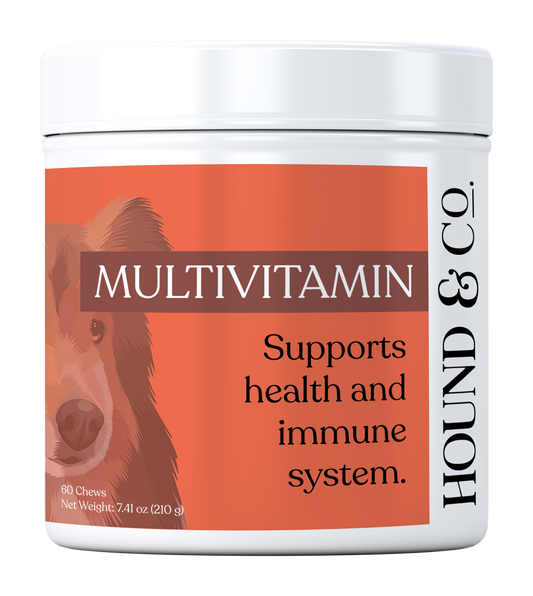
Our Multivitamin Chews are packed with zinc, vitamin E, selenium, and B vitamins to support your dog's immune function, gut health, and overall resilience during the months that matter most.