Why Recovery Days Matter More Than Exercise


Vet Reviewed by Dr. Jacob Klos, DVM

Why Recovery Days Matter More Than Exercise
If your dog is living an active summer, the rest days are where their body actually gets stronger. Here's why skipping them is the fastest path to joint problems.
The recovery window
During exercise, muscles, tendons, and cartilage experience micro-stress. This is normal and healthy. It's how the body adapts and builds resilience. But the adaptation doesn't happen during the activity itself. It happens during rest.
When a dog rests after exercise, the body repairs micro-damage to muscle fibers, replenishes joint fluid, reduces localized inflammation, and strengthens connective tissue. Without adequate recovery time, these processes are interrupted, and the micro-damage accumulates instead of resolving.
What happens without recovery
Cartilage wear: Cartilage doesn't have its own blood supply. It relies on movement and rest cycles to receive nutrients from joint fluid. Constant activity without rest deprives cartilage of the recovery time it needs.
Tendon and ligament fatigue: These structures are slower to recover than muscle. They need 48 to 72 hours after intense activity to fully repair. Dogs that are active every day without variation are at higher risk for soft tissue injuries.
Chronic inflammation: Activity generates a normal inflammatory response. Rest allows that inflammation to resolve. Without rest, inflammation becomes chronic, which accelerates joint deterioration over time.
Muscle compensation: A fatigued muscle doesn't absorb impact as efficiently. When muscles are tired, more force transfers directly to the joints. This is why injuries often happen on the third or fourth consecutive day of high activity.
How to build recovery into an active summer
- Alternate intensity: Follow a high-activity day (long hike, beach day, vigorous play) with a low-activity day (short leash walk, gentle play, rest).
- Watch for "next day" signs: Stiffness on rising, slower pace on walks, reluctance to jump, or increased sleeping after activity days are all signs your dog needs more recovery time.
- Use rest days productively: Mental enrichment (puzzle feeders, training sessions, sniff walks) provides stimulation without the physical impact. A mentally tired dog is as satisfied as a physically tired dog.
- Support recovery nutritionally: Joint-supportive nutrients are most active during rest periods. Glucosamine supports cartilage repair. Chondroitin helps maintain joint fluid. MSM supports connective tissue flexibility. Omega-3s support a healthy inflammatory response. Consistent daily intake ensures these nutrients are available when the body needs them most.
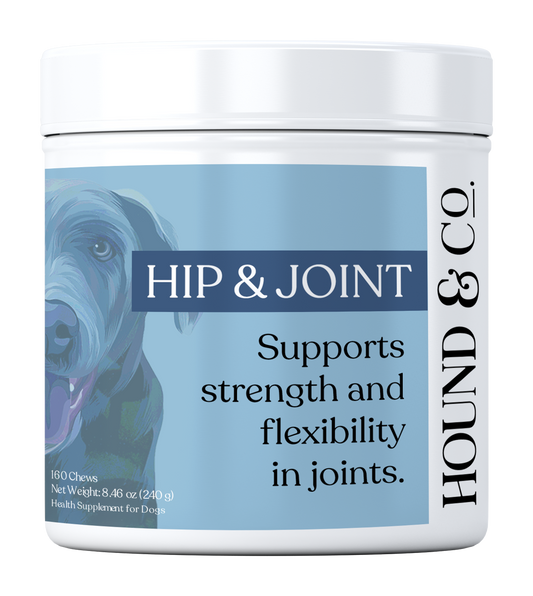
Our Hip & Joint Chews deliver veterinary-strength doses of all four, designed to work with your dog's natural recovery cycle. One chew daily, especially on rest days, gives the joints what they need to rebuild and prepare for the next adventure.
The bottom line
Activity is essential. But activity without recovery is a recipe for breakdown. The dogs that stay active the longest are the ones whose owners build rest into the plan and support recovery with consistent daily nutrition.
Sources:
- Veterinary sports medicine literature on recovery cycles and cartilage health in active dogs
- AKC: Exercise guidelines by breed and age, rest and recovery
- Veterinary orthopedic research on soft tissue fatigue and injury patterns
- Veterinary nutrition literature on glucosamine/chondroitin during recovery periods